Define Activity Zones for a Structured Work Environment

Productivity zones divide your workspace into purposeful areas — each with its own spatial character, tool set, and visual boundaries that support distinct modes of work.

Why Zones Matter

Without defined zones, every area of your room competes for the same purpose. A single surface might hold work documents, personal items, and leisure materials simultaneously, creating constant visual ambiguity.

Zones create spatial contracts: this corner is for deep work, that shelf is for reference, the area by the window is for creative thinking. Your environment reorganizes around these agreements.
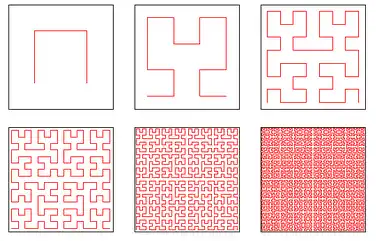
Four distinct productivity zones arranged in a spatial grid layout
Four core zones mapped across a workspace grid for clear activity separation.

Core Zone Types

Most workspaces benefit from four foundational zones. The exact dimensions and placement adapt to your room, but the spatial logic remains consistent.

Deep Focus Zone

Minimal visual stimuli, primary tools within reach, and lighting tuned for sustained concentration on a single task or project.

Collaboration Zone

Open surface area, shared screen visibility, and seating arrangement that supports conversation without encroaching on personal focus space.

Creative Zone

Flexible layout with whiteboard, pinboard, or open wall space for brainstorming, sketching, and visual thinking activities.

Storage Zone

Off-surface storage for items used weekly or less, keeping the active work plane clear while maintaining organized access.

Zone Boundaries and Transitions

Boundaries do not require walls. A change in lighting, a shift in surface height, a rug underfoot, or a plant between areas can signal zone transitions as effectively as physical partitions.

Lighting Shifts

Warmer, dimmer light in rest-adjacent zones; brighter, cooler light in focus zones to cue different activity modes.

Floor Signals

Rugs, mat changes, or floor material transitions that mark where one activity area ends and another begins.

Natural Dividers

Plants, shelving units, or screens that create soft visual separation without closing off the room.

Adaptive Zone Reconfiguration

Zones are not permanent fixtures. As your work patterns shift — new projects, seasonal changes, or equipment updates — zones can be resized, merged, or repositioned. Our consultations help you plan for this flexibility from the start.

Hover interactions on this site mirror the concept: alternative configurations appear as you explore, demonstrating how the same room can support different spatial arrangements without major renovation.

Map Your Workspace Zones

Tell us about your room layout and daily activities. We will help you define zones that bring structure and calm to your work environment.

Get Started