Organize Your Workspace for Focused, Calm Work
Explore how physical and digital environments can be restructured into clear, efficient spatial layouts that support sustained attention and comfortable daily routines.
Explore how physical and digital environments can be restructured into clear, efficient spatial layouts that support sustained attention and comfortable daily routines.
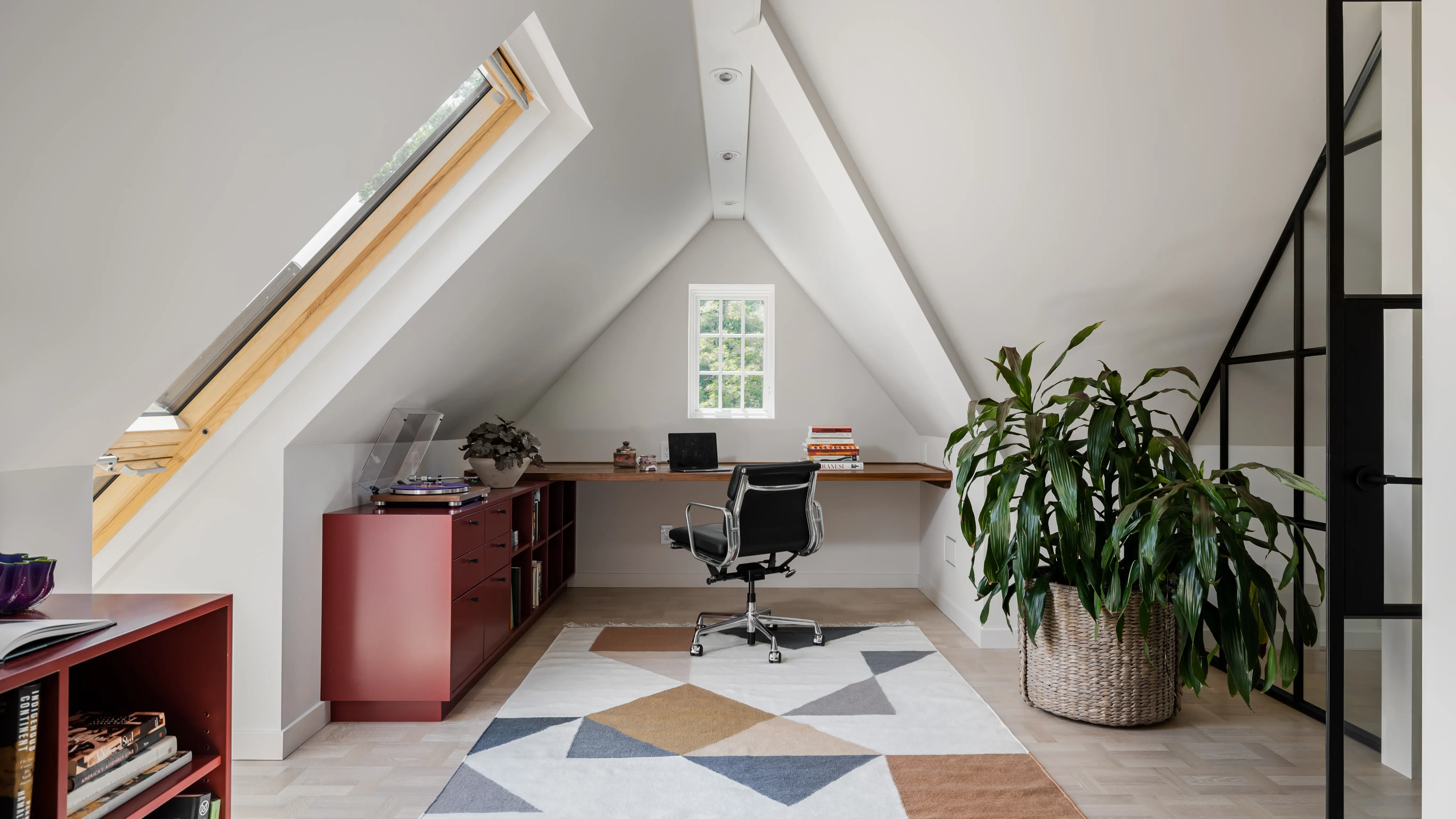
We approach workspace organization as spatial design — arranging elements so your environment feels structured, breathable, and aligned with how you work.
Desk surfaces, screens, and ambient elements are treated as distinct layers that can be repositioned for clearer visual hierarchy and reduced visual noise.
Elements align and re-align based on your primary work activities, creating configurations that support deep attention without rigid templates.
Open spatial intervals between objects and zones reduce cognitive load, allowing your workspace to feel calm rather than crowded.
Your environment reorganizes like a room being optimized — each zone serves a distinct purpose while maintaining visual coherence across the whole space.
The central desk area configured for your most frequent tasks, with tools placed within natural reach and sight lines kept unobstructed.
A dedicated area for materials you consult regularly, separated from active work to prevent constant visual distraction.
A buffer zone between work and rest that signals shifts in activity, helping maintain boundaries within shared living spaces.
Our consultations cover the physical layout, digital organization, and spatial rhythm of your workspace without checklist-driven templates.
Structured guidance on monitor placement, peripheral positioning, and surface allocation for a balanced, ergonomic desk layout.
Learn MoreMapping distinct activity zones within your room to create clear boundaries between focused work, collaboration, and rest.
Learn MoreAdjusting lighting, acoustics, and visual density to match your work patterns and create a consistently comfortable atmosphere.
Get in TouchTransitions feel like spatial reconfiguration rather than step-by-step instruction — clarity emerges as elements find their natural positions.
Map current layout patterns, clutter points, and how you move through your workspace during a typical day.
Identify focus areas and activity types to determine which zones need separation, proximity, or visual clearing.
Shift desk elements, storage, and digital interfaces into configurations that reduce friction and visual competition.
Adjust spacing, lighting, and zone boundaries based on how the reorganized space feels during actual use.
A workspace that breathes creates room for sustained attention. When surfaces are clear and zones are defined, the mind follows the spatial structure naturally.
Reduced visual competition between objects allows your primary task to occupy center stage in both physical and digital space.
Defined movement paths between zones minimize unnecessary reaching and context-switching during focused work sessions.
Tools and references sit at distances that match their frequency of use — close when needed, tucked away when not.
Lighting and color density are tuned so your environment feels warm and inviting without overwhelming the work surface.
We avoid dashboard aesthetics and corporate templates. Instead, we offer calm, intelligent spatial guidance tailored to how you actually use your environment.
Every workspace is unique. Our guidance adapts to your room dimensions, equipment, and personal work rhythms rather than imposing standard layouts.
We prioritize showing alternative configurations through spatial examples so you can see how clarity emerges from rearrangement.
Changes unfold progressively — from cluttered to clear to structured — so your workspace evolves without disruptive overhauls.
Connect with our team to explore how your environment can be structured into a calm, focused, and efficient spatial layout.
Schedule a Consultation